
Turkmenistan is taking major steps to modernize its road infrastructure and enhance its transport system. The creation of the Ministry of Automobile Roads, led by Hojamurat Kerimov, marks a significant development in improving efficiency, safety, and connectivity for both domestic and international transport.
Establishment of the Ministry of Automobile Roads
President Serdar Berdimuhamedov announced the formation of the Ministry during a Cabinet meeting reviewing Turkmenistan’s 2025 macroeconomic performance. The ministry was formed on the basis of the former State Agency for Road Construction Management, reflecting the government’s goal to professionalize road management and improve national infrastructure.
Objectives and Responsibilities
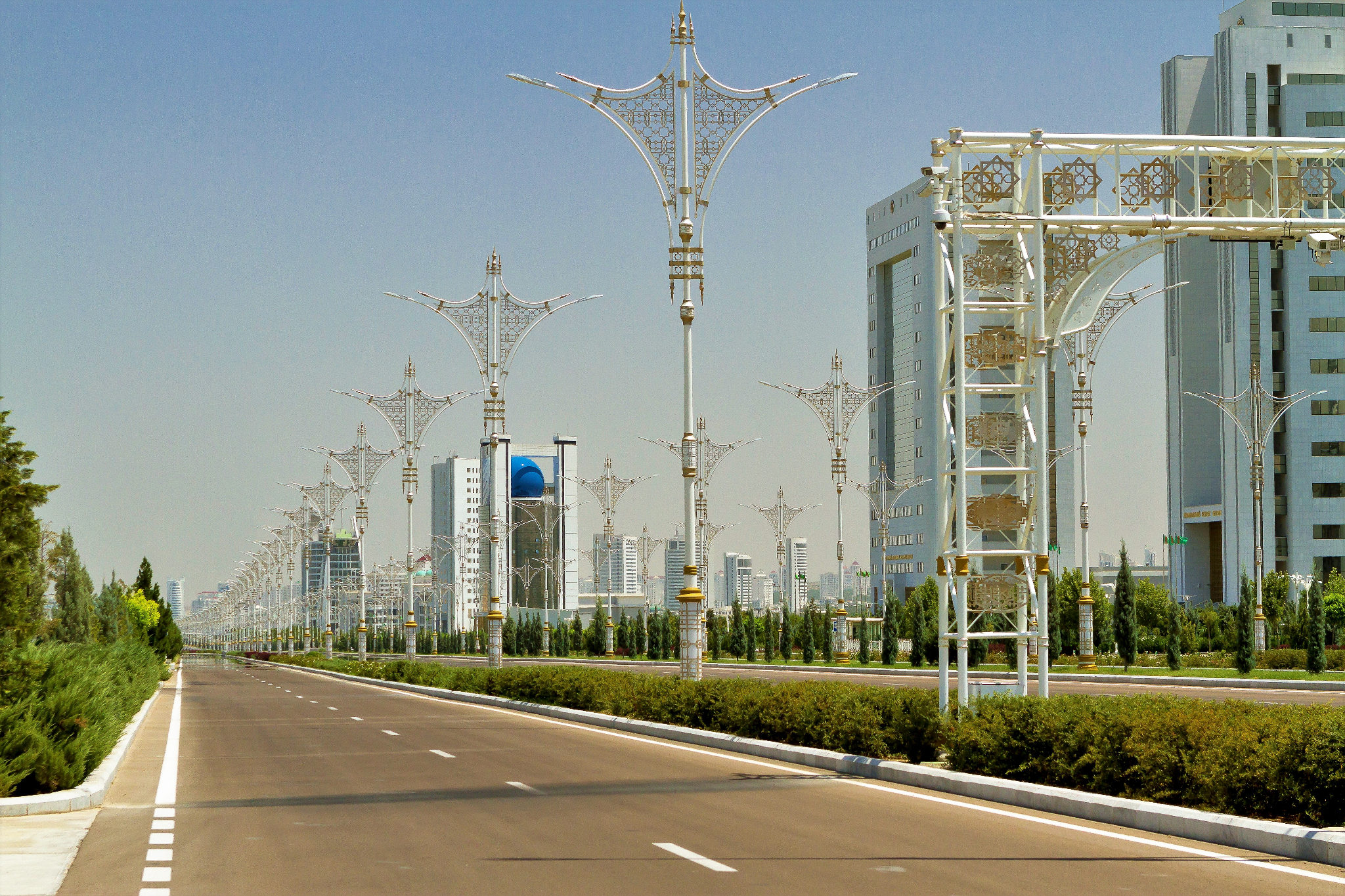
The new ministry will oversee the modernization of highways, city streets, and rural routes, implementing efficient road design, construction, and maintenance standards. By consolidating planning and management, Turkmenistan aims to reduce transport bottlenecks, enhance safety, and improve overall efficiency.
Simplified Road Freight Licensing
Effective January 1, 2026, Turkmenistan introduced simplified licensing rules for road freight transport. A new Regulation on Licensing of Road Transport Activities updates and streamlines the requirements for cargo carriers. The regulation simplifies the documentation process, making it easier for businesses to obtain transport licenses, boosting trade and logistics efficiency across the country.
Strategic Role in Eurasian Trade
Turkmenistan occupies a key transit position in Central Asia, participating in major trade corridors:
-
Lapis Lazuli Corridor – connecting Afghanistan and Central Asia to Europe via Türkiye.
-
International North-South Transport Corridor (INSTC) – linking Central Asia to Iran, the Persian Gulf, and Europe.
-
Middle Corridor / TRACECA – facilitating trade across the Caspian Sea region and Europe-Caucasus-Asia networks.
These corridors position Turkmenistan as a major logistics hub, reducing reliance on traditional routes and strengthening ties with Europe, Türkiye, and the Indian Ocean region under the Ashgabat Agreement.
International Cooperation
Turkmenistan is also advancing bilateral partnerships, including discussions with Japan to promote scientific and technological collaboration. These efforts aim to facilitate Japanese companies’ entry into Turkmenistan, supporting modern infrastructure development and innovative transport solutions.
Modernization and Economic Benefits
The modernization of Turkmenistan's roads will have broad economic implications, including:
-
Improved freight and passenger transport efficiency
-
Enhanced trade competitiveness in Eurasian corridors
-
Increased safety and reduced road accidents
-
Greater appeal for foreign investment in logistics and infrastructure
With improved road networks, simplified licensing, and strategic transit initiatives, Turkmenistan is positioning itself as a reliable link between Central Asia and global markets.
For more updates on infrastructure projects and transport developments in Central Asia, visit AsiaCarNews for news, insights, and analysis.
What do you think about Turkmenistan’s approach to road modernization and logistics integration? Could these initiatives transform Central Asia’s trade landscape? Share your thoughts below and help foster a discussion on the future of transport in the region.