
Turkmenistan has long been recognized as a global energy powerhouse, largely due to its massive natural gas reserves. However, as the global automotive industry races toward a zero-emission future, the Central Asian nation is uniquely positioning itself to become a key player in the green revolution. At the heart of this regional transformation is the ambitious development of Turkmenistan blue hydrogen. By converting its traditional fossil fuels into clean, low-carbon energy, the country is actively laying the groundwork for a highly sustainable transportation sector, where the sleek hydrogen eco-sedan could very soon dominate city streets and highways.
Understanding the Hydrogen Shift
To fully comprehend this massive infrastructural shift, we must look closely at how this specific fuel is manufactured. While green hydrogen relies entirely on renewable energy like wind and solar, Turkmenistan blue hydrogen takes a highly pragmatic approach perfectly tailored to the nation's existing underground resources. It is efficiently produced by extracting hydrogen directly from natural gas. Crucially, it utilizes advanced carbon capture and storage (CCS) technology to safely trap the resulting CO2 emissions deep underground before they can ever reach the atmosphere.
This innovative process successfully bridges the gap between the country's historical economic reliance on gas exports and the urgent, global demand for absolute decarbonization. By heavily investing in Turkmenistan blue hydrogen, the government can aggressively accelerate its domestic energy transition without immediately abandoning its most lucrative, abundant natural resource.
Powering the Next-Generation Automotive Fleet
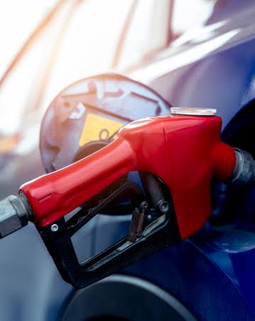
What exactly does this mean for everyday drivers and the regional automotive market? The most immediate and tangible application of this clean fuel lies in consumer transportation, specifically in the widespread adoption of fuel cell vehicles (FCVs). Unlike traditional battery electric vehicles that require hours plugged into a stationary charging grid, an eco-sedan powered by hydrogen can be fully refueled in just three to five minutes, functioning much like a conventional gasoline car.
The aggressive push for Turkmenistan blue hydrogen opens the door for high-efficiency, long-range luxury sedans and heavy commercial fleets to operate completely emission-free. These vehicles leave absolutely nothing but pure water vapor in their wake. As local infrastructure rapidly scales up to actively support these modern vehicles, we are highly likely to see a massive, permanent reduction in urban air pollution.
Building the Green Infrastructure
Of course, the long-term success of fuel cell vehicles entirely depends on building a highly reliable, accessible refueling network. To support the rapid rollout of these cars, strategic international partnerships are currently being formed to produce and distribute Turkmenistan blue hydrogen efficiently across major transit corridors and densely populated urban centers.
For industry enthusiasts, policymakers, and automotive professionals looking to stay continually updated on the latest regional shifts, emerging green technologies, and clean mobility trends, platforms like AsiaCarNews provide excellent, up-to-date daily insights.
Ultimately, if the country can successfully scale its carbon capture technologies and refueling stations, Turkmenistan blue hydrogen will not only redefine the nation's export economy but completely revolutionize its domestic roads. Turning abundant, raw gas into clean, sophisticated vehicle power represents a brilliant, forward-thinking strategy for a significantly cleaner, greener tomorrow.
Would you trade your traditional gas-powered car for a hydrogen fuel cell sedan if refueling took the exact same amount of time? Do you think blue hydrogen is the ultimate bridge to a fully green future?
Share your thoughts, questions, and predictions in the comments below!