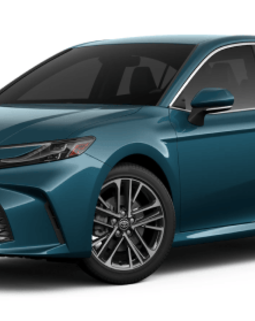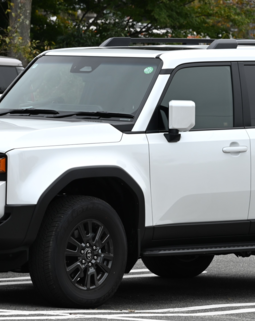

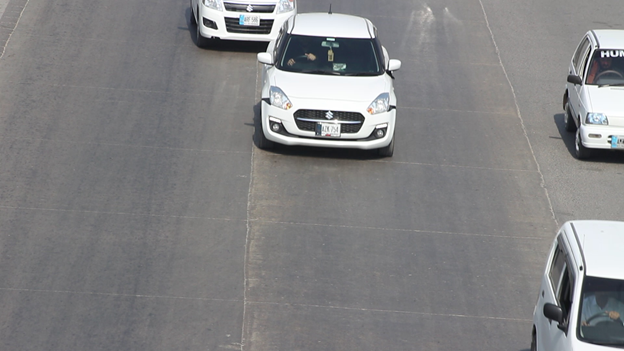
In the heart of Central Asia, Turkmenistan's capital is a city unlike any other. Known globally for its gleaming marble architecture, Ashgabat also holds one of the world's most unusual automotive laws. For years, the country has enforced a strict white car mandate, effectively banning black and vibrantly colored vehicles from its roads. As we move through 2026, this controversial rule remains firmly in place, continuing to puzzle international observers while dominating the daily lives of local drivers.
The Origins of the white car mandate
The policy began taking shape around 2015 under the leadership of former President Gurbanguly Berdimuhamedow. It started as an import ban on dark cars and quickly escalated by 2018 into a full-scale prohibition within the capital. The official reasoning has never been explicitly published, but the most widely accepted explanation points to the former leader's personal superstitions; he reportedly views white as a symbol of luck, purity, and prosperity.
Today, under the current administration of his son, President Serdar Berdimuhamedow, the white car mandate is still heavily enforced. Traffic police routinely stop any vehicles that deviate from the accepted spectrum of white or light silver.
The Financial Toll on Drivers
For ordinary citizens, complying with these extreme vehicle color restrictions is an expensive burden. When a non-compliant car is impounded, the owner is forced to sign a legal agreement promising to change its color. This has driven repainting costs to staggering highs, often ranging from $800 to over $1,000. In a country where the average monthly income hovers around $200, the white car mandate represents a massive financial hit that many simply cannot afford without severe hardship.
More Than Just Color: The Cleanliness Rule
The aesthetic obsession in Ashgabat traffic extends beyond just the paint code. The government insists that the capital must look absolutely immaculate at all times. Consequently, simply adhering to the white car mandate is not enough; drivers are also legally required to maintain spotless vehicles. Driving a dirty car, or one with visible scratches and dents, will result in immediate and hefty fines from the ever-present traffic authorities. Because of this, it is incredibly common to see locals washing their cars daily or carrying cleaning supplies in their trunks.
Finding Information on Regional Automotive Laws
Navigating the bizarre and highly strict automotive landscape of Turkmenistan can be fascinating for outsiders but deeply stressful for locals and tourists renting vehicles. To stay continuously updated on shifting driving regulations, international transport laws, and unique vehicle market trends across the globe, readers can explore the expert daily insights over at AsiaCarNews.
As 2026 unfolds, the white car mandate stands as a powerful testament to the country's authoritarian control over everyday life. While it creates a visually striking, undeniably unique cityscape that looks like a futuristic movie set, the heavy financial and personal toll it takes on the people behind the wheel is a stark reality.
What are your thoughts on this extreme automotive law? Would you be willing to pay thousands of dollars just to repaint your car to legally drive it? Share your thoughts, opinions, and your own car's color in the comments below!